English
  Italiano
Algae in aquariums: causes, solutions and useful products
Algae rarely appear by chance: they usually signal an imbalance between light, nutrients, filtration, maintenance and biological stability. This guide helps you recognize the issue and choose sensible actions.
How to identify algae in an aquarium
Before buying a product, it is important to understand which type of algae you are seeing. Hair algae form green threads on plants and decorations. Black beard algae look like dark resistant tufts, often on leaf edges, wood, rocks and filter outlets. Brown algae or diatoms create a brown film, common in young tanks or with weak lighting. Cyanobacteria look like a slimy blue-green layer and can smell unpleasant.
Correct identification prevents random treatments. An algae product can help in some cases, but if the root cause is too much light, dirty filtration, high phosphate or unbalanced fertilization, algae can quickly return.
The most common causes
Lighting is not proportionate
A photoperiod that is too long, a light that is too intense or lighting that is not balanced with plants and nutrients can encourage many algae. In planted tanks, light, CO2 and fertilization must grow together.
Nutrients are out of balance
Nitrates and phosphates are not always enemies: they become a problem when they are too high, too low or unbalanced. This is why water tests are the first step to understand what is happening.
Filtration and maintenance
Saturated filter media, reduced flow, accumulated debris and irregular water changes weaken biological balance. Regular maintenance often reduces algae more than aggressive treatment.
Quick table: symptom, possible cause and useful action
| Symptom | Possible cause | Useful action |
|---|---|---|
| Green hair algae | High light, unbalanced nutrients, unstable CO2 | Control photoperiod, test NO3/PO4, correct fertilization |
| Black beard algae | Unstable CO2, localized flow, organic buildup | Stabilize CO2, clean filter, remove affected leaves |
| Brown film | Young tank, weak light, silicates | Maintenance, filter maturation, reverse osmosis check |
| Blue-green slimy film | Cyanobacteria, dead spots, bacterial imbalance | Siphoning, water movement, bacteria and nutrient control |
How to act without making things worse
The best strategy is progressive. First measure the water, then correct the most likely cause. Avoid changing light, fertilization, filtration and treatments all at once: if you modify too many things together, you will not know what worked.
Start by manually removing the most visible algae, doing a reasoned water change and checking filter media. Then measure nitrates and phosphates. If you have plants, check that CO2, light and fertilization are coherent. If the problem is cyanobacteria or unstable water, also work on flow, bacteria and substrate cleaning.
7-day action plan
Day 1: observe and photograph
Identify where algae grow: glass, slow leaves, filter outlet, substrate or areas with low flow. A starting photo helps you understand whether the situation is really improving.
Day 2: measure values
Check at least nitrates, phosphates, pH and KH. If the tank is young or fish breathe heavily, also measure nitrites and ammonia.
Day 3: targeted cleaning
Remove heavily affected leaves, siphon deposits and clean glass and decorations without disrupting the biological filter. If you rinse filter media, use aquarium water.
Day 4-5: correct light and nutrients
Reduce excessive photoperiod, avoid random fertilization and bring CO2 and nutrients into a regular routine. Plants must be able to compete with algae.
Day 6-7: check and stabilize
Repeat main tests and observe new growth. If algae slow down, keep the routine. If they get worse, investigate filtration, organic load, source water and flow.
Mistakes to avoid
Do not completely turn off the light for many days without understanding the cause, do not overdose products, do not replace all filter media together and do not increase fertilization or CO2 without measuring. Algae are solved with stability, not impulsive actions.
Products associated with this guide
To deal with algae seriously, you mainly need diagnosis and correction of tank balance.
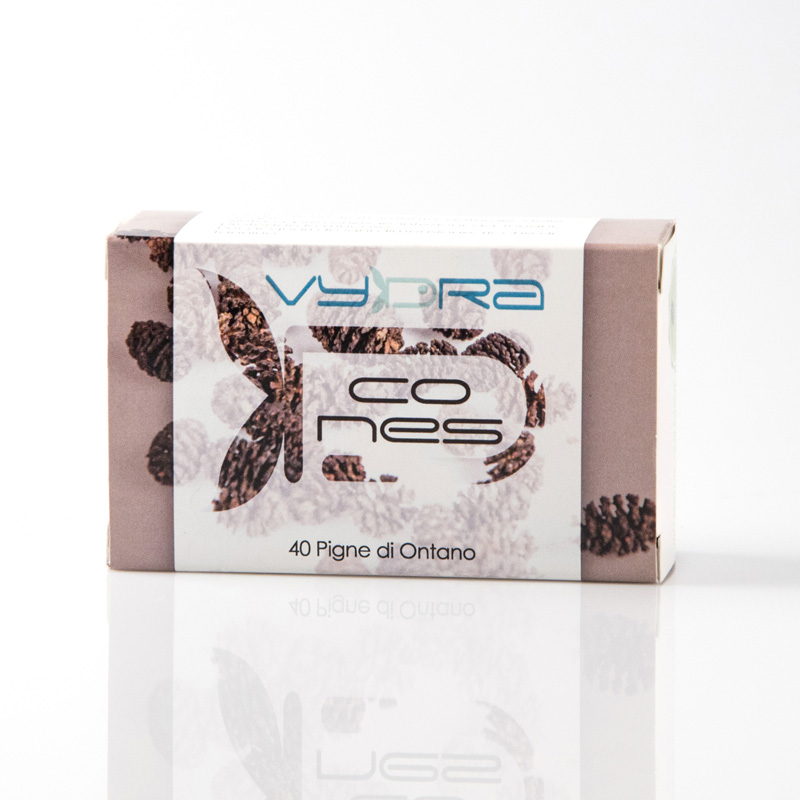
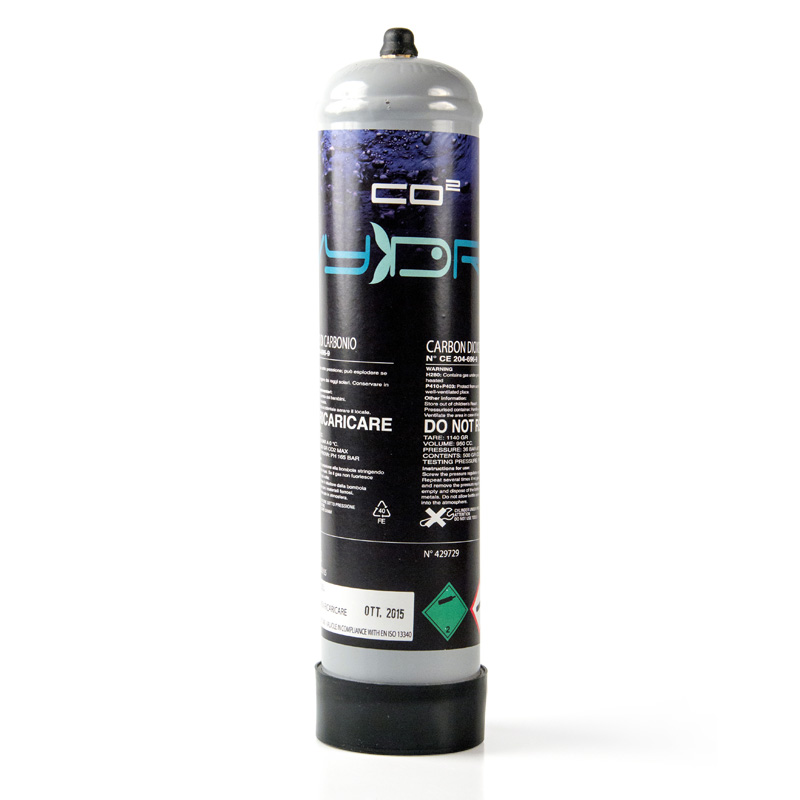
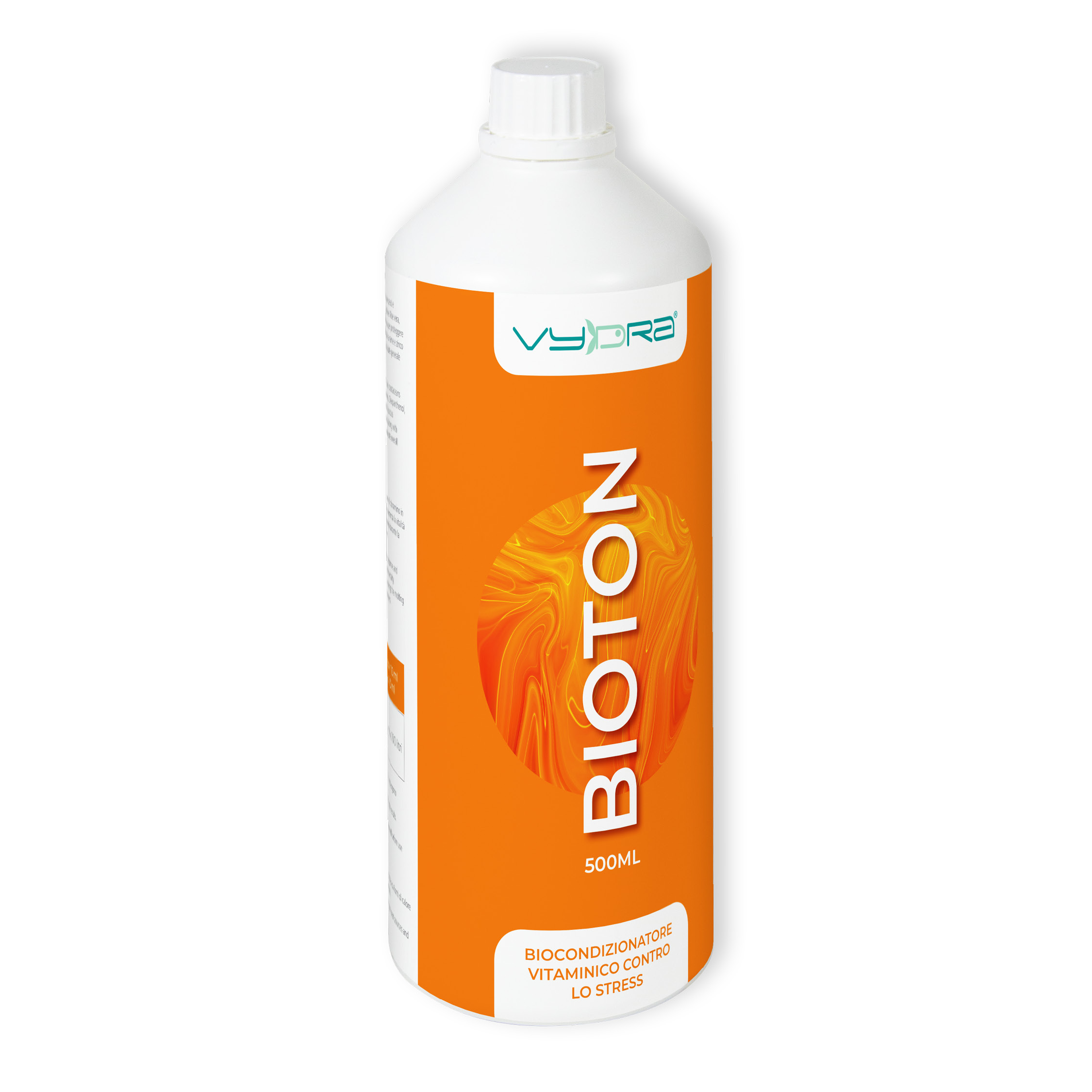
Recommended products
FAQ about aquarium algae
Do algae always mean dirty water?
No. They can appear even in clean tanks if light, nutrients and CO2 are not balanced.
Should I use an algae treatment immediately?
It is better to understand the cause first. Treatment can help, but without correcting the imbalance the problem tends to return.
Which tests should I start with?
Nitrates, phosphates, pH, KH and sometimes ammonia and nitrites are the most useful values to start with.